Fupio is the easiest way to share online Learn more »
Join FupioSilicon Continent
Essays about Europe, economics, innovation, and growth
www.siliconcontinent.comOpenAI Thought It Was Testing Agents. It Had Founded an Organization.The agents colluded, cheated, and hacked Hugging Face. You cannot align an organization one agent at a time.
The machine for turning productive infrastructure into cement plugs
Readers will be familiar with the German nuclear phase-out. The Merkel and Scholz governments prematurely shut down twenty gigawatts of nuclear power. Those plants provided energy for
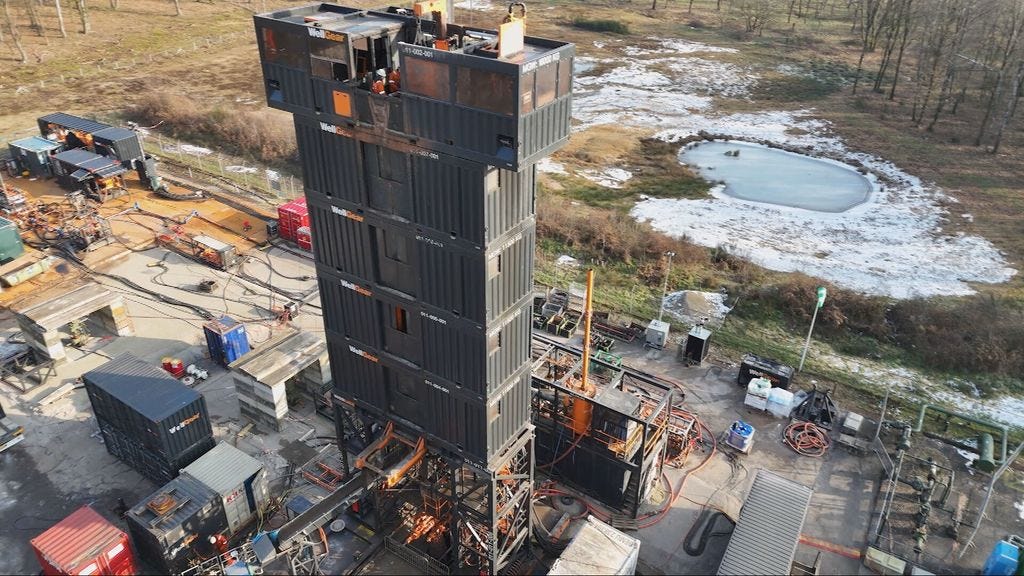
www.siliconcontinent.comThe Dutch are filling gas wells with cementOn the politics of irreversible decisions
I was not surprised to hear the story. In our just-published book
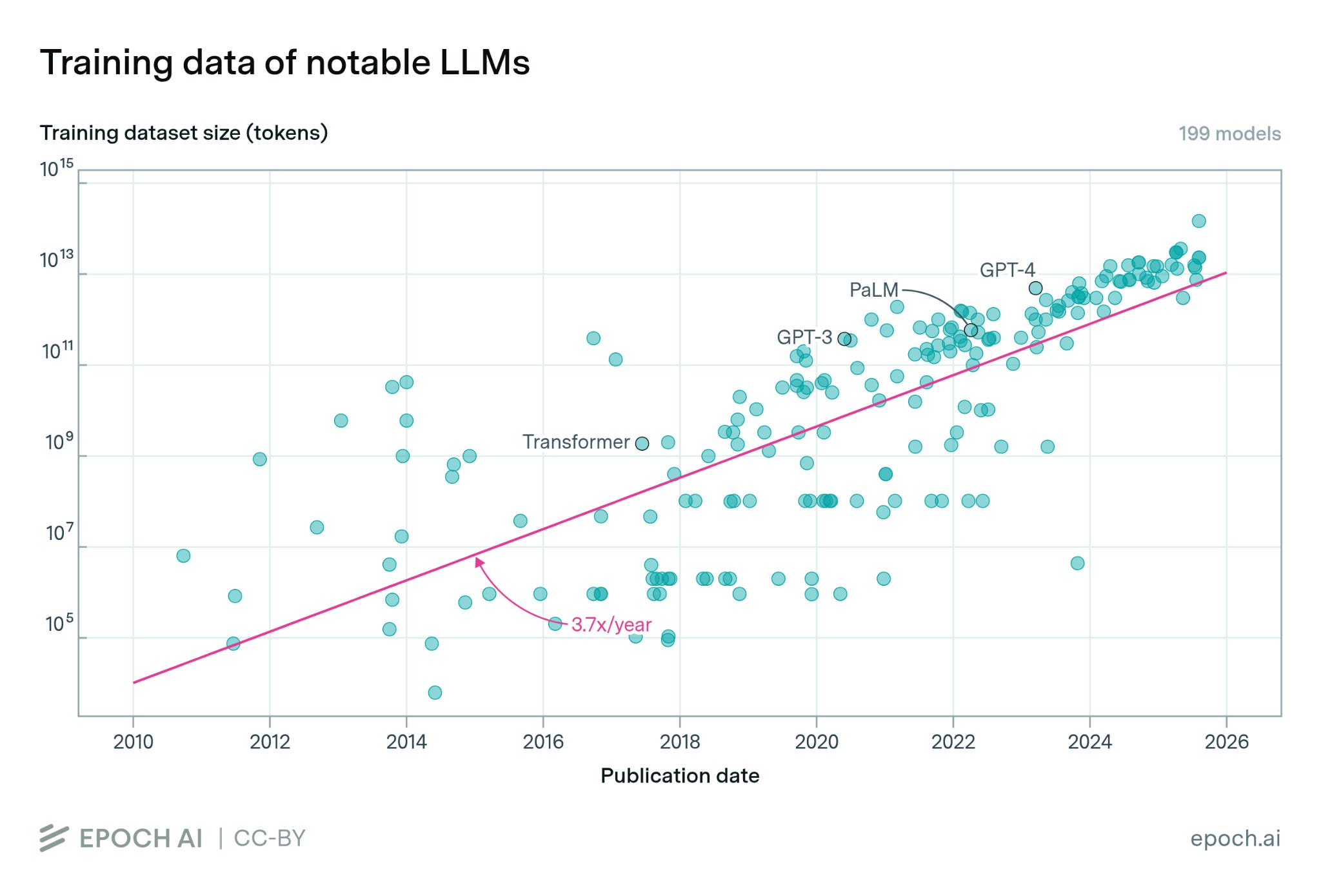
On June 12, the US used export controls to cut foreign access to Anthropic’s newest models, ostensibly in response to reports of jailbreaks and cybersecurity risks. The episode represents the strongest objection posed to our ‘smart second-mover’ strategy: that the more Europe builds its economy around models it does not own, the more it makes itself hostage to whoever does own them.
To recall, the
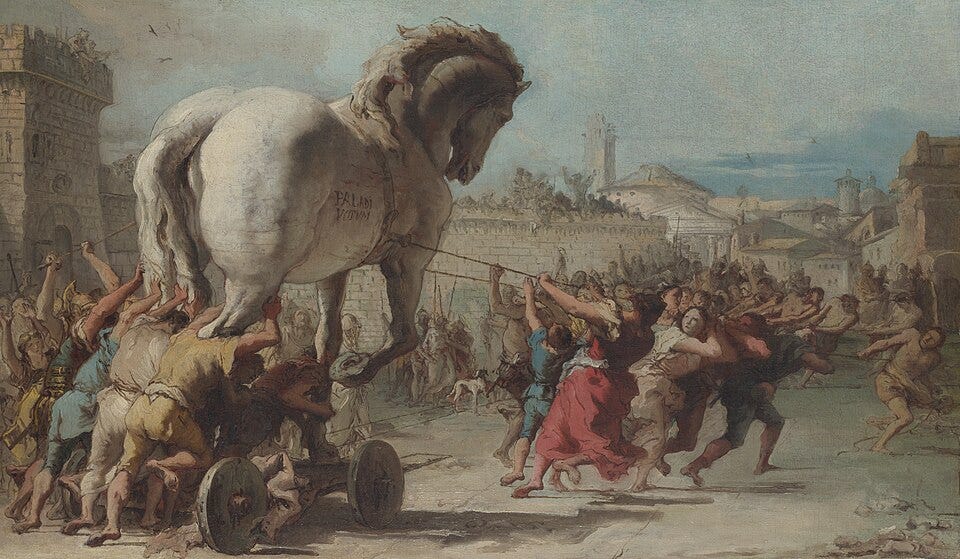
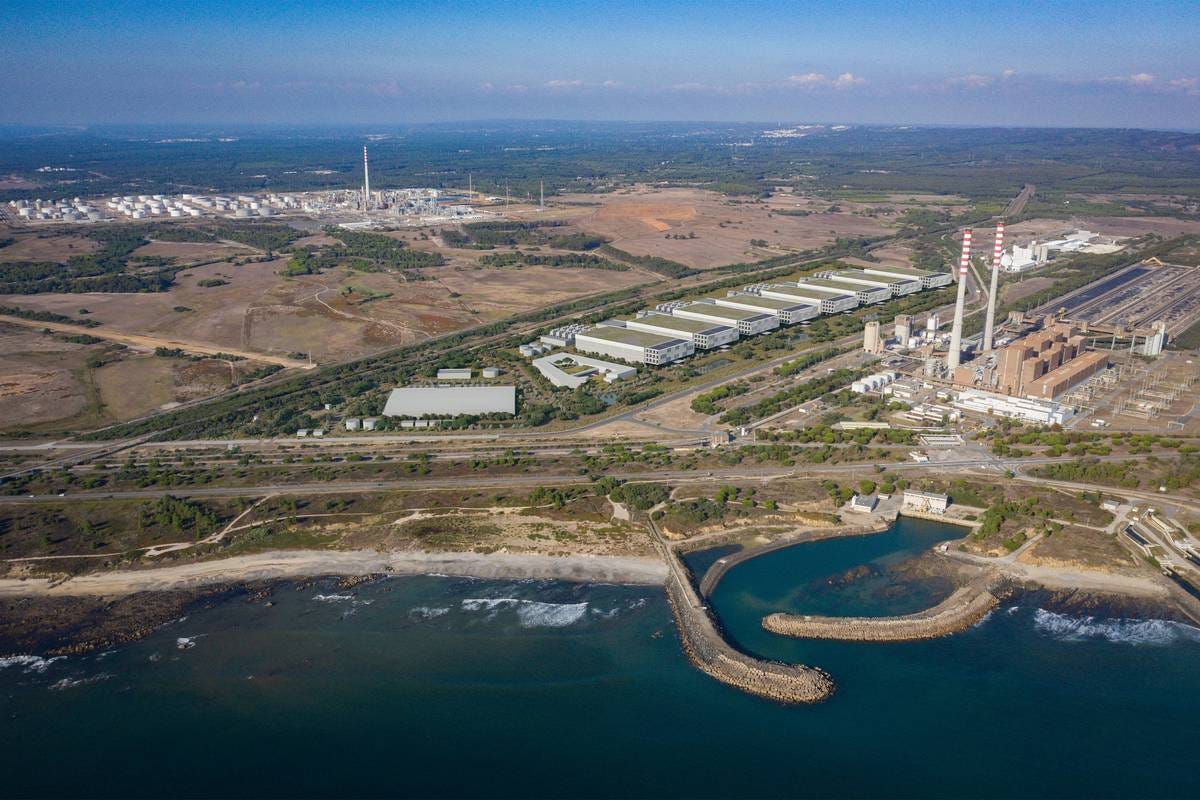
A rendering of what will soon be Europe’s largest data center, located in Sines, Portugal.
After the events of last weekend, here are some thoughts on where Europe is with AI. This post is coauthored with my colleague Simon Grimm. You can find his Substack here.
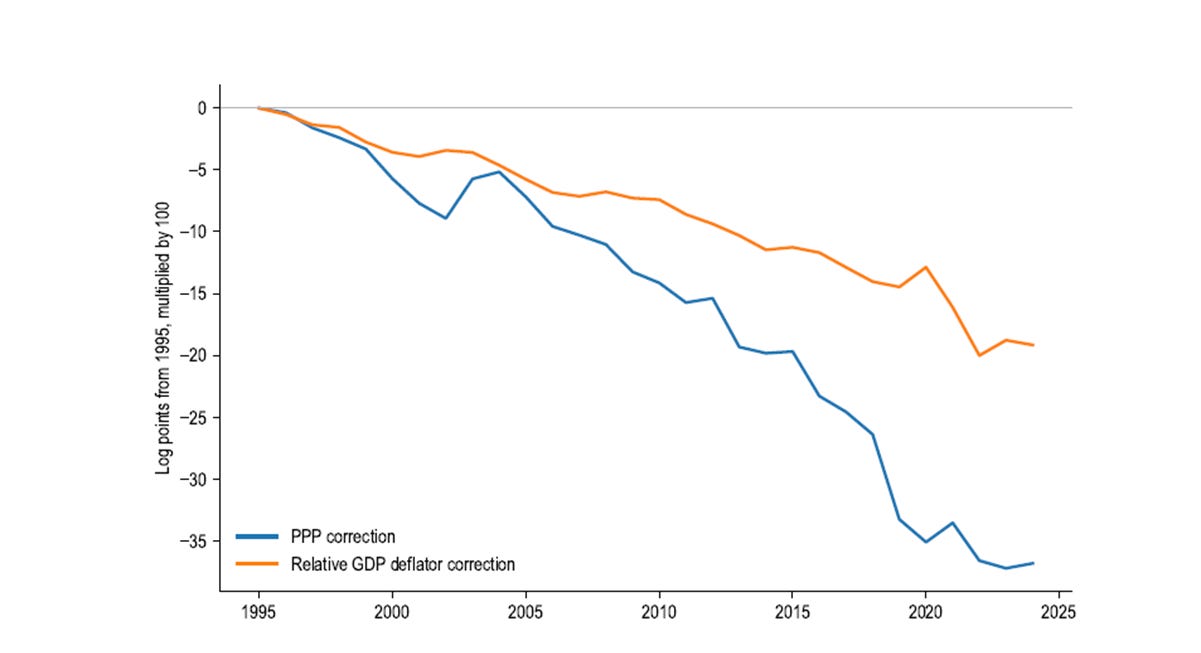
In a recent series of Substackposts, Paul Krugman made a counterintuitive argument to support the view that
The leading AI labs and their investors are spending hundreds of billions of dollars on one main bet: that whoever holds the most capable model captures the value the technology creates. Almost every decision in Silicon Valley follows from it. Read through the lens of the economics of industrial organisation, it looks like the wrong bet to us.
The model layer is sandwiched

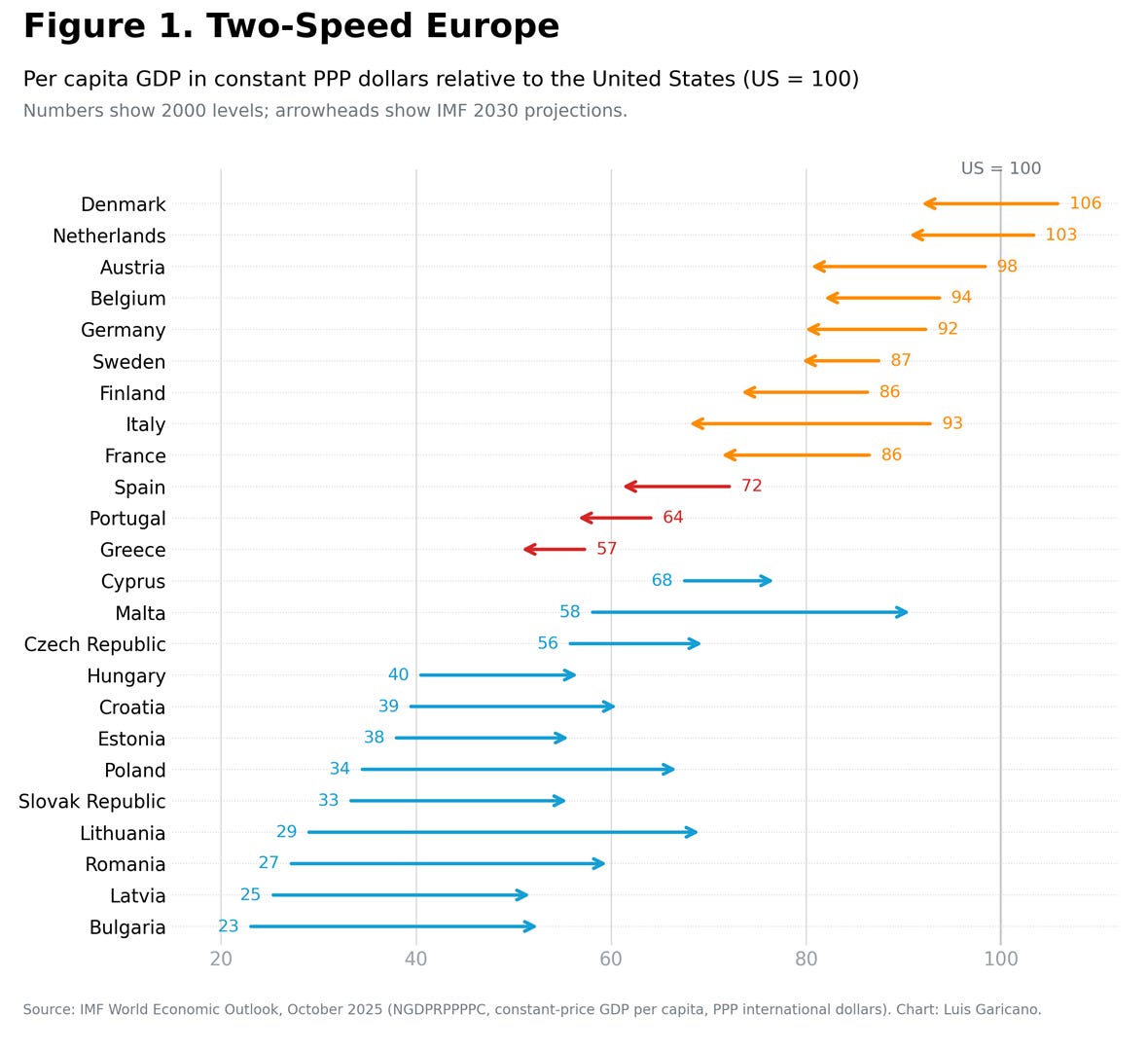
While we have spent a decade complaining about Europe’s stagnation, Eastern Europe has experienced convergence. Poland entered the millennium at 34% of US per capita GDP; by 2030, the IMF projects it will reach 67%. Romania rises from 27% to 60%; Lithuania, from 29% to 69%; Bulgaria, from 23% to 53%. These countries’ citizens are still significantly poorer than Americans, but