The original promise of streaming was simple. Everything would be available whenever you wanted it. You could sit down in the evening and binge an entire season without waiting a week for the next episode. Well... weekly releases seem to be making a comeback. I've forgotten more than one show simply because I had to wait a week for the next episode. I still remember recording TV shows because otherwise you'd miss them, or waiting until 8:15 p.m. because that's when the big movie of the week started. Today you just lie down in bed, open an app, and watch whatever you're in the mood for. Broadcast schedules don't matter anymore. One of the most annoying things about television was the ad breaks every fifteen minutes. Early streaming didn't have that. You paid for a Netflix subscription and that was it. It was usually cheaper than cable or pay TV too. Whether that's still true today is debatable (I don't know the current prices of cable or pay TV). Back then, one streaming service was enough to watch most of the movies people cared about.
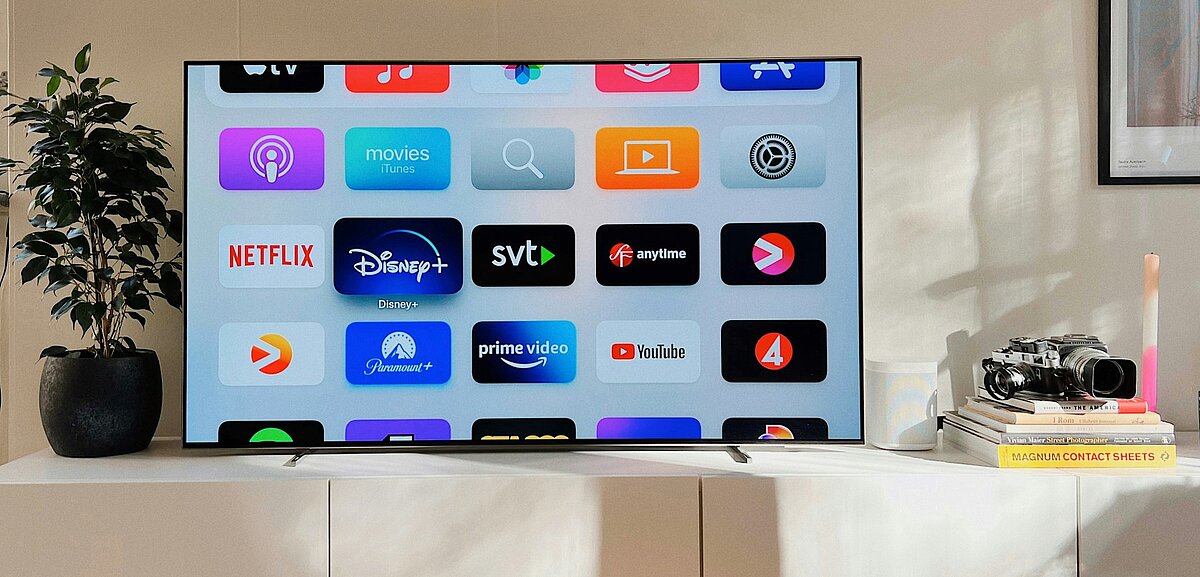
Then everything started to fragment. Over time, it felt like every major studio launched its own service. Then Netflix proved just how profitable streaming subscriptions could be. Instead of licensing their movies to Netflix, studios realized they could keep the content, launch their own platform, and collect the subscription fees themselves. From a business perspective, it made perfect sense. From a viewer's perspective, it was the beginning of the mess. Disney made Disney+, Warner launched (HBO) Max, Paramount created Paramount+, and so on. I remember reading about the Transformers films moving to Paramount+. I ended up binge-watching all of them before they disappeared. Each company wants to keep its own movies and shows exclusive to its own platform. It's what convinces people to subscribe. The downside is that movies disappear from other services once the licensing rights move back to their original owners. And it's not just movies and TV. Sports have become just as fragmented. The Champions League is on one platform, Formula 1 on another, the NBA somewhere else. And even if you're lucky enough to subscribe to the right service, the movie you want might be on Hulu in the US, Disney+ in Germany or simply unavailable where you live.
As a student I (sadly) don't have unlimited money. Three streaming subscriptions at around €8 or €10 each already add up. If you want 4k or need more than one device, that's another extra charge. Then came the ad-supported plans. Subscription growth eventually slowed down, so streaming companies started looking for new ways to increase revenue. The cheaper plans include ads, while the ad-free versions keep getting more expensive. The goal is simple: make the more expensive plan look like the better deal. And sports subscriptions are even worse. If you want to follow everything related to your favorite sport, spending €50 a month isn't unusual. Add regular price increases on top of that, and suddenly streaming isn't the affordable alternative it used to be.
Let's say you've accepted that this is just how streaming works now. Now you have to figure out where your movie actually is. Every app has its own interface, its own search function, and its own way of organizing content. Personally, I've never liked how clunky TV apps often feel. I'm looking at you, Prime. Eventually you find your movie. After it's over, another interesting recommendation pops up, so you save it to your watchlist. Except every platform has its own watchlist. Sure, every company wants you to stay in its own ecosystem. Before you know it, you've got movies saved across six different apps. Video quality isn't consistent either. One service includes 4K, while another only offers HDR or Full HD unless you pay more. And sometimes it's almost ridiculous: you watch the first movie on Disney+, then have to switch to another service just to watch the sequel.
That's the weird part. There are more movies available than ever before, yet it's somehow harder to find one to watch. At least for me, it's not unusual to spend twenty minutes scrolling through different apps just to watch a ninety-minute movie. Sometimes, after all that searching, I don't even feel like watching anything anymore. And the recommendation algorithms. I mean, they've suggested some genuinely great movies to me so I don't want to pretend that they're completely useless. But a lot of the time they keep pushing the same popular titles. Smaller films and independent productions rarely get the same visibility.
Ironically, streaming is starting to look a lot like TV again. Ads are back unless you pay for the expensive tier. FAST channels with fixed schedules are becoming more common, because they're cheap to operate and generate advertising revenue 24/7. Bundles like Disney+, Hulu and ESPN+ feel a lot like cable TV all over again. Exclusive licensing means certain shows only exist on one platform. And live events, like boxing on Netflix or exclusive sports broadcasts elsewhere, are bringing appointment viewing back.
But it has consequences. Some people end up turning back to piracy. It's not just because they don't want to pay. A lot of them are already paying for several streaming services. The bigger issue is the convenience. Spotify showed that if legal streaming is more convenient than piracy, most people are happy to pay. Illegal platforms usually put everything into one interface. There's no jumping between apps, no wondering who owns the rights this month and regional restrictions often disappear. Of course there's a reason it's called piracy. These sites can disappear overnight and you might get fined, but yeah, you get me.
There are probably a few ways to improve things. Cross-platform search should be standard by now. A shared watchlist across services would help. You can track movies with Letterboxd or one of the other apps, but then you're relying on yet another app to organize your entertainment. Bundled subscriptions where you choose three services for a discounted price could also make things simpler. Those are just a few ideas, but they're probably easier said than done.
Streaming is still great, don't get me wrong. The flexibility is unmatched, and the picture quality has never been better. The problem isn't with streaming itself. It's just that the ecosystem became too fragmented. Streaming solved TV's biggest problems. But over time, it slowly recreated most of them. And that's why I'll probably keep asking myself the same question for a while longer: Wait… which streaming service was that on again?
https://www.timwehrle.de/blog/which-streaming-service-was-that-on-again/